Clinical Answer: Smoking mullein leaf for lungs does not detoxify the respiratory tract or remove tar. While oral mullein tea (*Verbascum thapsus*) contains demulcent mucilage and saponins that soothe irritated throat tissue and thin mucus, lighting dried mullein on fire generates hot particulate matter, carbon monoxide, and volatile combustion toxins. Inhaling mullein smoke irritates bronchial cilia, triggering an acute coughing reflex that patients mistake for “detoxification.” True pulmonary recovery requires smoking cessation and mucociliary regeneration.
Supported by botanical pharmacognosy assays, respiratory toxicology research, and clinical physician commentary.

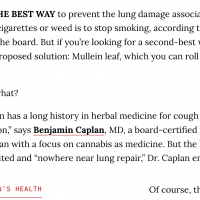
I was recently featured in Men’s Health evaluating a viral wellness trend circulating across TikTok, Instagram, and alternative health forums: the claim that smoking dried mullein leaf (*Verbascum thapsus*) can “cleanse the lungs,” “expel years of toxic tar,” and heal respiratory damage after quitting cigarettes or cannabis. In my interview, I offered an urgent clinical reality check: symptom relief is not the same as lung healing, and inhaling burning plant matter is a misleading, medically hazardous shortcut.
1. The Real Science of Mullein: What Verbascum thapsus Actually Does
Mullein has a long, documented history in European and Native American herbal medicine, but its traditional use looks nothing like the modern viral trend of rolling dried leaves into herbal cigarettes. Pharmacologically, mullein contains several active therapeutic compounds:
- Demulcent Mucilage: Mullein leaves contain complex polysaccharide chains that form a gelatinous, protective coating when dissolved in hot water. This mucilage physically coats irritated pharyngeal and esophageal tissues, calming dry, tickling coughs and soothing hoarseness.
- Triterpenoid Saponins: Saponins are natural glycosides that act as mild expectorants. When ingested orally, saponins irritate the gastric mucosa slightly, triggering the gastropulmonary vagal reflex. This physiological reflex stimulates bronchial glands to secrete thin, watery fluid, making thick respiratory mucus easier to cough up naturally.
- Verbascoside & Phenylethanoid Glycosides: These compounds exert mild anti-inflammatory and antioxidant activities in laboratory tissue assays, helping to neutralize free radicals.
Critically, these beneficial botanical properties are optimized when mullein is extracted through aqueous decoctions (hot teas) or standardized liquid tinctures. When you set dried mullein leaf on fire and inhale it, the intense heat of combustion incinerates delicate mucilage molecules and transforms beneficial antioxidants into carbon particulates, volatile hydrocarbons, and ash.
| Method of Use | Bioactive Delivery | Effect on Pulmonary Cilia | Health Hazards & Risks | Physician Recommendation |
|---|---|---|---|---|
| Oral Infusion (Hot Tea) | Preserves mucilage, saponins, and verbascoside intact | Supports natural hydration; activates gastropulmonary reflex | None documented; strain through fine filter to remove trichome hairs | Clinically Safe & Recommended for soothing throat irritation |
| Combustible Smoking | Incinerates mucilage; delivers particulate matter & ash | Paralyzes cilia; induces acute thermal and chemical injury | Carbon monoxide toxicity, bronchospasm, alveolar inflammation | Medically Discouraged; exacerbates underlying lung damage |
| Steam Inhalation | Delivers warm moisture with volatile botanical terpenes | Moistens airway passages and loosens superficial secretions | Risk of facial scalding if water is boiling too aggressively | Acceptable adjunctive home care for mild upper congestion |
2. The “Coughing Phlegm” Illusion: Why Smoking Mullein Feels Like It’s Working
The primary reason this viral trend gained traction is that people smoke mullein, experience a sudden coughing fit, expectorate dark mucus, and celebrate that their lungs are “purging old toxins.” In medical physiology, this is known as a misattributed defense reflex.
Your respiratory tract is lined with millions of microscopic, hair-like structures called cilia that beat in coordinated waves—the mucociliary escalator—to sweep dust, natural secretions, and dead cells upward out of the lungs. When you inhale hot mullein smoke:
- Thermal and Particulate Irritation: Microscopic plant fibers, ash, and combustion byproducts hit the sensitive sensory receptors of the bronchial lining.
- Acute Protective Spasm: The nervous system interprets this sudden particulate influx as an emergency invasion, triggering violent airway contractions (coughing) and hyper-secretion of mucus from goblet cells to trap the burning particles.
- False Perception of Healing: The phlegm a person coughs up is not “old cigarette tar magically being drawn out of deep lung tissue.” It is fresh mucus produced immediately by your irritated lungs attempting to coat and eject the inhaled mullein ash!
3. The Physician’s Blueprint: How Lungs Actually Heal After Smoking
The human lung possesses a remarkable capacity for endogenous self-repair, but true healing requires biological patience, not gimmicky smoke rituals. If you are quitting tobacco or transitioning away from combusted cannabis, genuine pulmonary recovery follows a predictable physiological timeline:
- 24 to 72 Hours: Carbon monoxide clears entirely from your bloodstream, restoring hemoglobin’s full oxygen-carrying capacity to vital organs. Bronchial tubes begin to relax.
- 1 to 9 Months: Cilia that were paralyzed by chronic combustion begin to regrow and regain coordinated motility, dramatically improving your lungs’ ability to handle natural mucus, clean the airways, and reduce infection risks.
- Proven Clinical Interventions:
- Hydration & Warm Infusions: Drink 2 to 3 liters of water daily and enjoy filtered mullein or peppermint teas. Systemic hydration directly thins bronchial secretions far more effectively than any inhaled herbal blend.
- Cardiovascular Aerobic Exercise: Brisk walking, cycling, or swimming forces deep diaphragmatic breathing, opening collapsed lower alveoli and stimulating natural airway clearance.
- Non-Combustion Cannabinoid Transitions: For patients using cannabis therapeutically for pain or sleep, transitioning away from joints to oral tinctures, capsules, or low-temperature vaporizers immediately stops the delivery of combustion tar.
Frequently Asked Questions: Mullein Leaf & Respiratory Health
Does smoking mullein leaf detox your lungs?
No. There is zero scientific evidence that inhaling burning mullein extracts tar or cleanses lung tissue. Inhaling any burning plant material introduces particulate matter and carbon monoxide, which causes acute irritation and temporarily stuns the lung’s natural cleansing cilia.
Why do people cough up dark phlegm after smoking mullein?
The cough and dark phlegm are caused by acute bronchial irritation from the inhaled smoke particles and ash. The lungs immediately produce excess mucus to trap the foreign debris and trigger a protective coughing spasm to expel it, which consumers mistakenly interpret as “detoxifying old tar.”
Is mullein tea safe and effective for respiratory symptoms?
Yes. Brewing dried mullein leaves in hot water extracts water-soluble mucilage and saponins, which soothe the throat and stimulate the gastropulmonary reflex to help loosen chest congestion. Always strain the tea thoroughly through a fine paper coffee filter to remove the plant’s tiny hairs, which can irritate the throat.
Can smoking herbal blends help someone quit smoking tobacco?
While non-nicotine herbal blends might satisfy the behavioral, hand-to-mouth ritual of smoking, they still expose your lungs to combustion toxins and carbon monoxide. Clinically validated cessation methods—including nicotine replacement therapy, prescription medications, behavioral counseling, and physical exercise—are far safer and more effective.
Can people with asthma or COPD smoke mullein?
Absolutely not. In patients with hyper-reactive airway disease like asthma or COPD, inhaling herbal smoke particles can precipitate severe acute bronchospasm, asthma attacks, and worsening hypoxemia. Individuals with chronic pulmonary conditions should avoid all inhaled combustible herbs.
Where can I read Dr. Caplan’s full commentary in Men’s Health?
You can read the full investigative wellness feature online at Men’s Health: The Truth About Mullein Leaf for Lungs, featuring clinical analysis from Dr. Benjamin Caplan and leading pulmonary specialists.

Written & Medically Reviewed by Benjamin Caplan, MD
ABFM Board-Certified Family Physician | MA Medical License #240562 | NPI: 1962722637
Founder & CMO of CED Clinic & CED Foundation | Author of The Doctor-Approved Cannabis Handbook
Dr. Benjamin Caplan has guided more than 350,000 patient evaluations across his career, educating patients and national media on respiratory harm reduction, herbal pharmacology, and evidence-grounded health literacy. For individualized clinical consultations, visit CED Clinic or explore The Doctor-Approved Cannabis Handbook.
Peer-Reviewed Scientific & Botanical References
- Riaz, M., Zia-Ul-Haq, M., & Jaafar, H. Z. (2013). Common Mullein, Pharmacological and Chemical Aspects. Biology of Medicinal Plants, 12(3), 441–448.
- Turker, A. U., & Gurel, E. (2005). Common Mullein (Verbascum thapsus L.): Recent Advances in Research. Phytotherapy Research, 19(9), 733–739. DOI: 10.1002/ptr.1653. PMID: 16222647.
- World Health Organization. (2002). WHO Monographs on Selected Medicinal Plants (Vol. 2). Geneva: World Health Organization.