Clinical Answer: A doctor’s guide to using cannabis comes down to four habits: define your goal, choose the route of administration that fits it, start low and go slow, and use lab-tested products. Treat cannabis like any other medicine: track dose and effect, check for drug interactions, and involve a clinician when changing use.
Synthesis of randomized trial reviews, pharmacokinetic studies, and expert clinical practice. Individual recommendations vary in evidence strength.
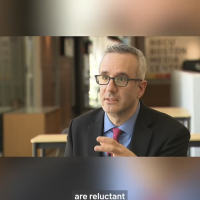
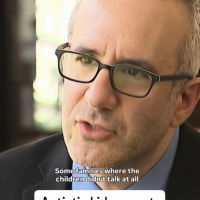
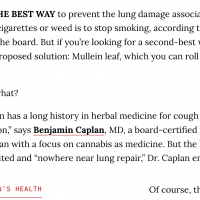
Dr. Benjamin Caplan, a Massachusetts family physician and founder of CED Clinic, was profiled by Fatherly on June 9, 2023 in “A Doctor’s Guide To Using Weed.” This page distills the practical guidance from that interview and adds the clinical context behind it. It is educational and does not replace individualized medical advice.
Why a Doctor’s Guide to Using Cannabis Is Needed
Dr. Caplan began his cannabis work after patients taught him how varied their reasons for use were: “almost no two people consuming for the same benefit.” His chart review and literature deep-dive followed. In the interview he describes the problem plainly: without medical guidance, consumers face trial and error or the advice of whoever is behind the counter that day. “How would we feel if that medicine were Percocet? Gabapentin? Even Ibuprofen?”
Step 1: Define Your Goal
Cannabis is used for far more than severe disease. Dr. Caplan points to everyday problems such as work stress, sleep, and chronic pain, alongside neuroprotective research in conditions like Parkinson’s and Alzheimer’s. A systematic review in JAMA found moderate-quality evidence for chronic pain and spasticity, and low-quality evidence for several other indications (Whiting et al., 2015; PMID 26103030). Writing down one or two target symptoms makes it possible to judge whether a product is working.
Step 2: Choose the Route of Administration
| Route | Typical onset | Typical duration | Key consideration |
|---|---|---|---|
| Inhaled | Minutes | 1 to 3 hours | Fast and easy to titrate; combustion irritates airways, so vaporization is generally gentler. |
| Oral (edibles, capsules) | 30 to 120 minutes | Several hours | Liver conversion to 11-hydroxy-THC; wait before redosing. |
| Sublingual | 15 to 45 minutes | Intermediate | Partial mucosal absorption; varies by product. |
| Topical | Variable | Variable | Local effect; little systemic absorption for most products. |
Pharmacokinetic differences between routes are well described (Grotenhermen, 2003; PMID 12648025; Huestis, 2007; PMID 17712817). Timing figures above are approximate and vary between individuals. Dr. Caplan also describes patients using cannabis nebulizers for sinus problems, and notes laboratory evidence that cannabinoids have antibacterial properties (Appendino et al., 2008; PMID 18681481). That use remains preliminary and is not a substitute for medical treatment of infection.
Step 3: Start Low, Go Slow, Stay Low
Cannabis dosing is biphasic: low doses may help while higher doses can worsen anxiety or sedation. Clinical dosing reviews recommend titrating gradually and holding at the lowest effective dose (MacCallum and Russo, 2018; PMID 29307505). Dr. Caplan recommends treating any change, whether starting or stopping, like a medication change made carefully and with a medical professional.
Step 4: Understand “Whole-Plant” Medicine and Read the COA
Dr. Caplan contrasts cannabis with single-molecule pharmaceuticals: much as a varied diet supplies more than one food, a plant contains many compounds that may act together. Terpene and cannabinoid synergy is a proposed mechanism (Russo, 2011; PMID 21749363), and human evidence is still developing. Whichever product you choose, request a Certificate of Analysis to confirm cannabinoid content and contaminant screening.
Step 5: Check Safety and Interactions
- Drug interactions: THC and CBD are processed by CYP450 enzymes; review all prescriptions with a clinician.
- Brain health: Long-term effects remain largely undefined. Regular long-term users often score lower on some cognitive tests, and risk is greater with adolescent onset.
- Dependency: Cannabis use disorder is real. Cessation can be difficult, and support should be available.
- Higher-risk situations: pregnancy, psychotic disorders, cardiovascular disease, and driving.
Dr. Caplan on Cannabis and the Medical System
Dr. Caplan says cannabis has not yet gained full legitimacy as medicine and that clinicians remain under-informed. He argues for cannabis education in medical training and recognizes federal rescheduling or legalization as steps that could bolster legitimacy.
Frequently Asked Questions
Can cannabis really be therapeutic if I am not treating a serious illness?
Yes. Dr. Caplan notes that cannabis use is not limited to seizures, multiple sclerosis, or cancer. Many people use it for work stress, sleep, and chronic pain, and some argue that even recreational use is therapeutic. Trial evidence is strongest for specific indications such as spasticity and chronic pain, so expectations should match the evidence.
How should I start using cannabis medicinally?
Start with a low dose, increase slowly, and keep the lowest dose that works. Dosing is biphasic, so more is not always better, and changes in dose should be tracked like any medication change.
How do inhaled, oral, and sublingual cannabis differ?
Inhaled cannabis acts within minutes and fades within a few hours. Oral cannabis is absorbed slowly, begins in roughly 30 to 120 minutes, lasts longer, and is converted by the liver to 11-hydroxy-THC, which can feel stronger. Sublingual products fall in between and vary by formulation.
Is it safe to combine cannabis with my prescription medications?
Not automatically. THC and CBD are metabolized by liver CYP450 enzymes and can interact with some medications, including blood thinners, sedatives, and certain anticonvulsants. Review your medication list with a clinician before starting or stopping cannabis.
Should adults worry about long-term effects on the brain?
Evidence is incomplete. Studies often show lower scores on some cognitive tests in long-term regular users, especially when testing is not preceded by abstinence, but the long-term effects remain largely undefined. Risk is higher with early-life use, heavy daily use, or cannabis use disorder.
Why does a Certificate of Analysis (COA) matter?
A COA is a lab report that confirms cannabinoid content and screens for contaminants such as pesticides, heavy metals, and mold. It lets you compare products by actual dose rather than marketing.
When should I talk to a doctor before using or stopping cannabis?
Talk to a clinician if you are pregnant, are on other medications, have heart disease, a psychotic disorder, or a history of dependence. Stopping can also cause difficulty after regular use, so changes should be handled carefully, like any medication change.
Next Steps
For personalized evaluation, visit CED Clinic. For the full reference, see The Doctor-Approved Cannabis Handbook by Dr. Caplan, and read the original Fatherly interview.
References
- Whiting PF, et al. Cannabinoids for medical use: a systematic review and meta-analysis. JAMA. 2015. PMID 26103030. doi:10.1001/jama.2015.6358
- Grotenhermen F. Pharmacokinetics and pharmacodynamics of cannabinoids. Clin Pharmacokinet. 2003. PMID 12648025.
- Huestis MA. Human cannabinoid pharmacokinetics. Chem Biodivers. 2007. PMID 17712817.
- MacCallum CA, Russo EB. Practical considerations in medical cannabis administration and dosing. Eur J Intern Med. 2018. PMID 29307505.
- Russo EB. Taming THC: potential cannabis synergy and phytocannabinoid-terpenoid entourage effects. Br J Pharmacol. 2011. PMID 21749363.
- Appendino G, et al. Antibacterial cannabinoids from Cannabis sativa. J Nat Prod. 2008. PMID 18681481.