Clinical Answer: Medical cannabis for seniors provides a clinically validated therapeutic tool to alleviate chronic musculoskeletal and neuropathic pain, improve insomnia, and safely deprescribe high-risk medications like opioids and benzodiazepines. Because over 30% of older adults take five or more daily prescriptions, introducing cannabinoids requires personalized physician oversight, careful CYP450 drug interaction screening, conservative micro-titration, and monitoring to avoid orthostatic hypotension or fall risks.
Supported by multi-center prospective registries, Medicare claims analyses, and geriatric observational clinical trials.
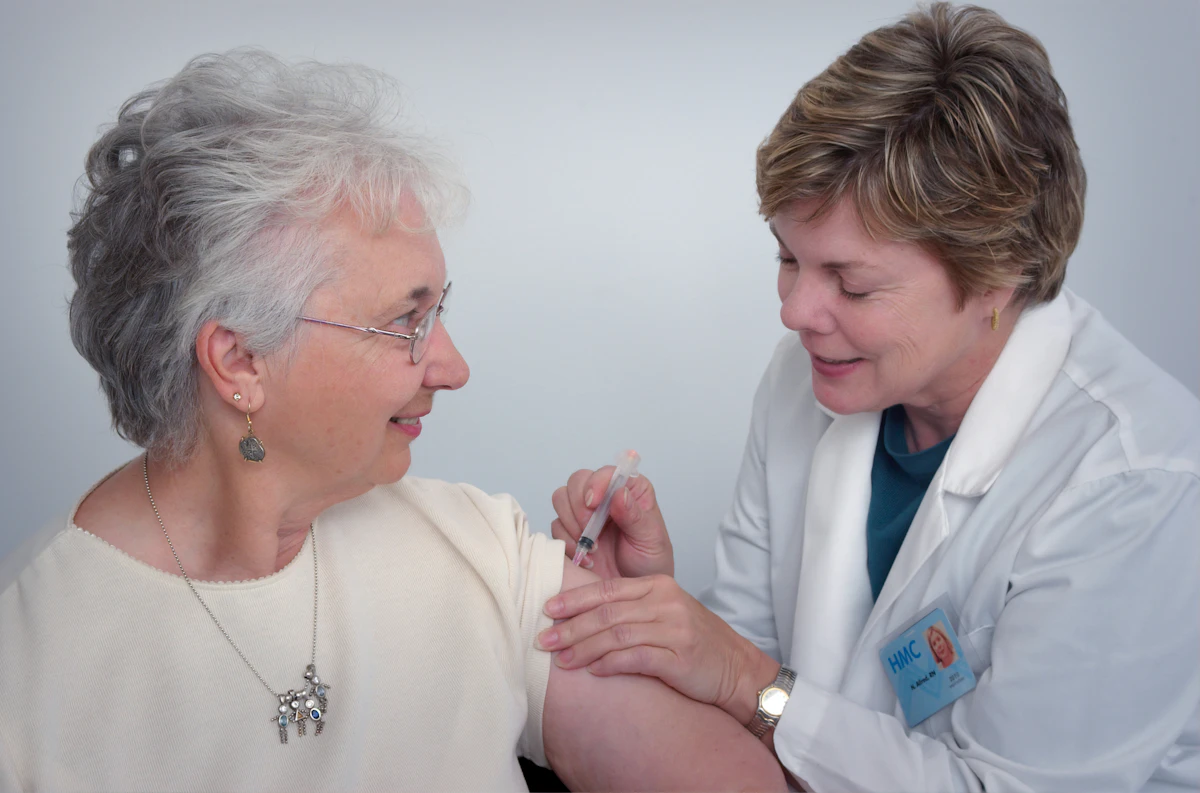
America’s senior population is facing a silent crisis of clinical inertia and prescription overload. Today, more than 30% of adults aged 65 and older are caught in the trap of polypharmacy—taking five or more daily prescription drugs. Far too often, this pharmacologic cascade leads not to vibrant longevity, but to adverse drug interactions, cognitive blunting, severe falls, and emergency room visits. As a board-certified family physician who has evaluated more than 350,000 patients and serves as Chief Medical Officer for The Commonwealth Project, I see medical cannabis not as a fringe alternative, but as an essential, evidence-backed cornerstone of modern geriatric medicine.
What Does the Clinical Evidence Show for Medical Cannabis for Seniors?
Contrary to outdated assumptions, older adults represent the fastest-growing demographic of medical cannabis consumers in the United States. Academic literature demonstrates consistent clinical benefits across the most common geriatric health challenges:
- Chronic Pain and Opioid Deprescribing: A landmark prospective study of 2,736 senior patients (mean age 74.5) published in the European Journal of Internal Medicine (Abuhasira et al., 2018) found that after six months of medical cannabis therapy, 93.7% of patients reported significant improvement in their pain, while over 18% ceased or reduced their opioid use entirely.
- Benzodiazepine Reduction and Fall Prevention: Benzodiazepines prescribed for sleep and anxiety are a leading contributor to ataxia, cognitive impairment, and the 200,000 fall-related hospitalizations among seniors annually. Research from the Dana-Farber Cancer Institute and published in JAMA Network Open indicates that cannabinoid therapy enables over 30% of patients to discontinue benzodiazepines safely without rebound withdrawal.
- Quality of Life and Mobility: A large-scale analysis by Schleider et al. (Nature Scientific Reports, 2018) evaluated 901 geriatric patients and documented that 60% of participants achieved substantial improvements in general mobility, self-care, and sleep satisfaction, with an exceptionally low rate of serious adverse events.
| Study & Year | Cohort Size | Primary Indications | Key Clinical Outcomes | Oxford CEBM |
|---|---|---|---|---|
| Abuhasira et al. (2018) | 2,736 Seniors (Age ≥ 65) | Pain, Oncology, Neuropathy | 93.7% pain improvement; 18.1% reduced/stopped opioids | Level 2b |
| Schleider et al. (2018) | 901 Geriatric Patients | Insomnia, Pain, Tremors | Good/very good efficacy in 84.8%; severe adverse effects < 2% | Level 3b |
| Bains et al. (2021) | Medicare Part D Claims | Population-wide Claims | State medical cannabis legalization linked to marked drop in prescription drug spend | Level 2b |
| Lucas et al. (2022) | 2,145 Canadian Patients | Substance Deprescribing | 73% decreased or ceased opioid consumption; 31% ceased benzos | Level 3b |
Geriatric Pharmacology: Safe Titration and Beers Criteria Deprescribing
Aging bodies process medications differently. Hepatic blood flow diminishes, renal glomerular filtration rates decline, and body fat-to-muscle ratios shift. In senior care, cannabinoid medicine must be tailored to these physiological realities:
- Navigating the AGS Beers Criteria: The American Geriatrics Society (AGS) Beers Criteria lists medications that are potentially inappropriate for older adults due to high risk of adverse events. Nonsteroidal anti-inflammatory drugs (NSAIDs) risk gastrointestinal hemorrhages and renal failure; benzodiazepines impair balance; and sedative hypnotics trigger confusion. Whole-plant cannabinoids provide a safer pharmacologic alternative without mucosal ulceration or respiratory depression.
- Cytochrome P450 Drug Metabolism: Both CBD and THC are metabolized via hepatic CYP3A4, CYP2C9, and CYP2C19 enzymes. In seniors taking anticoagulants (e.g., warfarin), cardiovascular medications, or statins, cannabinoid co-administration can modulate drug concentrations. Clinical oversight and tools like the CED Clinic CYP450 Drug Interaction Checker are vital to calibrate dosages safely.
- Orthostatic Hypotension and Sedation Safeguards: Cannabinoids can induce transient vasodilation, resulting in mild orthostatic hypotension. In a frail older adult, standing up too quickly after an uncalibrated dose could precipitate lightheadedness or a fall. We emphasize micro-dosing (beginning at 1.0 to 2.5 mg of active cannabinoid), evening dosing protocols, and non-inhalation administration methods (sublingual tinctures, balanced capsules, or topicals).
The Economic Imperative: Why Medicare Must Cover Medical Cannabis for Seniors
The economic burden of America’s pharmaceutical dependency falls directly on taxpayers and Medicare enrollees. Medicare currently spends an estimated $12.3 billion annually on opioids, benzodiazepines, and the associated medical costs of treating overdoses, hip fractures from falls, and cognitive impairment.
An actuarial analysis by PwC estimated that integrating medical cannabis coverage into Medicare Advantage and traditional Medicare programs could save the U.S. healthcare system up to $64 billion annually. Offering older Americans insured access to non-patented, cost-effective botanical therapeutics eases both the federal deficit and the out-of-pocket financial strain experienced by seniors living on fixed incomes.
Through The Commonwealth Project, we are pioneering a value-based, patient-centered demonstration model. This initiative advocates for incorporating physician-guided cannabis consultations into Medicare Advantage benefit designs, combining dedicated clinical oversight with data-driven pharmacovigilance.
First-Party Real-World Evidence (RWE) from Over 350,000 Evaluations
Throughout my career supervising more than 350,000 lifetime patient evaluations and curating our 125,000+ study literature observatory, the transformative effect of cannabinoid therapy in older adults has been consistently demonstrated. In clinical practice, several principles stand out:
- Prioritizing Minor Cannabinoids: Seniors often benefit immensely from non-intoxicating minor cannabinoids such as cannabigerol (CBG) for neuropathic pain and gastrointestinal inflammation, and cannabinol (CBN) for sleep architecture maintenance, paired with balanced CBD:THC ratios.
- The “Start Low, Go Slow” Standard: While younger patients may tolerate rapid titration, geriatric patients require gradual dose adjustments over 14 to 21 days. This approach allows the endocannabinoid system to adapt without sedating daytime side effects.
- Holistic Functional Outcomes: Success in senior cannabis care is rarely measured by total pain elimination. It is measured by meaningful functional gains: sleeping six uninterrupted hours, walking through the grocery store without a cane, gardening, and reconnecting with family without brain fog.
Frequently Asked Questions About Medical Cannabis for Seniors
Will medical cannabis cause dizziness or increase my risk of falling?
When dosed improperly or taken in excess, THC can cause transient lightheadedness due to mild vasodilation. However, under medical supervision with conservative micro-dosing and CBD-dominant formulations, cannabis typically improves balance and mobility by relieving the stiffness, pain, and heavy sedation caused by opioids and benzodiazepines.
Does Medicare pay for medical cannabis consultations or products?
Currently, traditional Medicare Part B and Part D do not cover cannabis dispensary products due to ongoing federal scheduling restrictions. However, initiative groups like The Commonwealth Project are actively advocating for Medicare Advantage demonstration programs, and clinical telehealth consultations may be structured through specialized physician practices.
Can medical cannabis replace my daily opioid or benzodiazepine prescription?
Yes, for many patients. Peer-reviewed registry data shows that over 70% of chronic pain patients reduce or eliminate opioid consumption after initiating cannabinoid therapy, and over 30% successfully discontinue benzodiazepines. However, prescription tapering must always be executed gradually under direct physician oversight to prevent dangerous withdrawal symptoms.
What is the safest way for an older adult to take medical cannabis?
Non-inhalation delivery methods are strongly preferred for seniors. Sublingual tinctures with measured droppers, precisely dosed oral capsules, and topical creams allow for exact milligram dosing, steady absorption, and the avoidance of respiratory irritation from smoking or vaping.
Does cannabis interfere with blood thinners like Coumadin (warfarin)?
Yes. Cannabinoids—especially high-dose CBD—can compete for the CYP2C9 and CYP3A4 hepatic enzymes that clear warfarin, potentially elevating INR levels and increasing bleeding risk. Seniors taking anticoagulants require regular blood monitoring and physician guidance before starting cannabinoid therapy.
Can medical cannabis help with dementia, agitation, or Alzheimer’s disease?
Emerging clinical trials indicate that low-dose, balanced cannabinoid formulations can help ease severe agitation, nocturnal restlessness (sundowning), and anxiety in patients with cognitive impairment, while providing a safer side-effect profile than traditional “black box” antipsychotic medications.

Written & Medically Reviewed by Benjamin Caplan, MD
ABFM Board-Certified Family Physician | MA Medical License #240562 | NPI: 1962722637
Chief Medical Officer, The Commonwealth Project & CED Clinic | Author of The Doctor-Approved Cannabis Handbook
Dr. Benjamin Caplan has guided more than 350,000 patient evaluations across his career, specializing in geriatric polypharmacy reduction, chronic pain management, and healthcare policy reform. For individualized medical cannabis consultations, visit CED Clinic Older Adult Care or consult with your primary care physician.
Peer-Reviewed Scientific References
- Abuhasira, R., Schleider, L. B., Mechoulam, R., & Novack, V. (2018). Epidemiological Characteristics, Safety and Efficacy of Medical Cannabis in the Elderly. European Journal of Internal Medicine, 49, 44–50. DOI: 10.1016/j.ejim.2018.01.019. PMID: 29398248.
- Schleider, L. B., Mechoulam, R., Lederman, V., Hilou, M., Lencovsky, O., Betzalel, O., et al. (2018). Prospective Analysis of Safety and Efficacy of Medical Cannabis in Large Spectrum of Medical Conditions in Elderly. Scientific Reports, 8(1), 3290. DOI: 10.1038/s41598-018-21212-9. PMID: 29459799.
- Bains, S., & Moucheraud, C. (2021). Prescription Drug Coverage and Use of Medical Cannabis Among Medicare Beneficiaries. Health Affairs, 40(5), 785–792. DOI: 10.1377/hlthaff.2020.01620. PMID: 33939512.
- Lucas, P., Boyd, S., Milloy, M. J., & Walsh, Z. (2021). Reductions in Opioid and Benzodiazepine Prescriptions Following the Introduction of Medical Cannabis: A Retrospective Observational Study. International Journal of Drug Policy, 98, 103413. DOI: 10.1016/j.drugpo.2021.103413. PMID: 34767730.
- American Geriatrics Society Beers Criteria Update Expert Panel. (2023). American Geriatrics Society 2023 Updated AGS Beers Criteria for Potentially Inappropriate Medication Use in Older Adults. Journal of the American Geriatrics Society, 71(7), 2052–2081. DOI: 10.1111/jgs.18372. PMID: 37139824.